


 Casa /
 Quali tipi di batterie sostituibili vengono utilizzati nei dispositivi POS? Quali sono le differenze tra loro e quali sono le loro caratteristiche principali?


Indice
- Why Do POS Devices Use Replaceable Batteries?
- 1. Lithium-Ion (Li-ion) POS Batteries
- 2. Lithium Polymer (LiPo) POS Batteries
- 3. Lithium-Iron Phosphate (LiFePO4) Batteries
- 4. Nickel-Metal Hydride (Ni-MH) Batteries
- Key Differences Between POS Battery Types
- How to Choose the Right POS Battery
- Future Trends in POS Battery Technology
- Conclusione
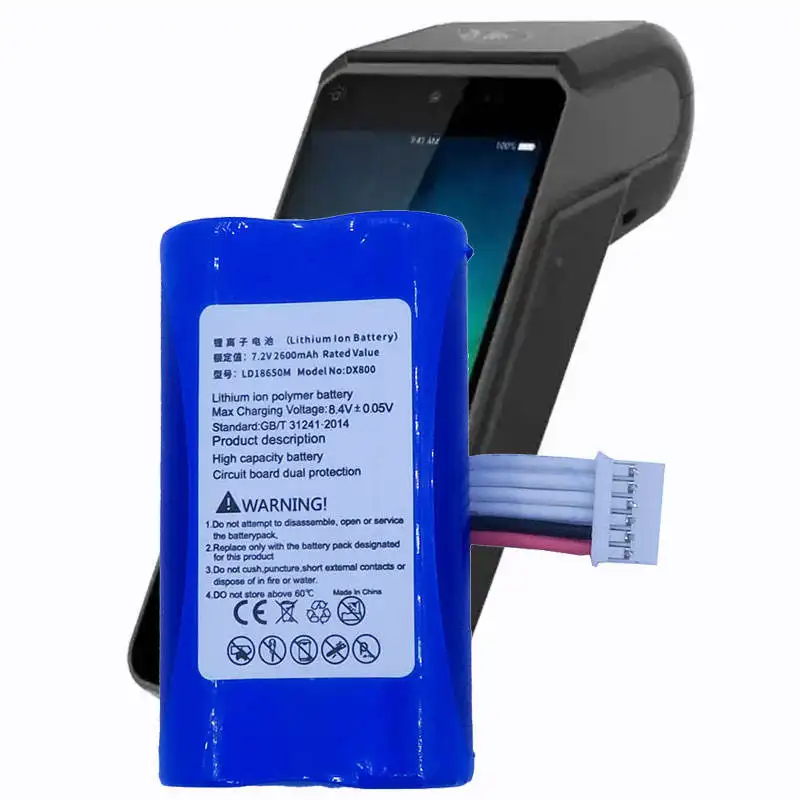
Portable POS terminals have become essential tools in retail stores, restaurants, supermarkets, logistics, delivery services, and mobile payment environments. As businesses increasingly rely on uninterrupted transactions, battery performance has become one of the most important factors when selecting a POS device.
Unlike traditional built-in batteries, modern POS terminals often use removable batteries that allow users to replace depleted batteries instantly, eliminating downtime and improving operational efficiency. However, not all POS batteries are the same. Different battery chemistries, voltages, capacities, and designs offer unique advantages depending on the application.
This article explores the main types of replaceable batteries used in POS terminals, their differences, and the advantages of each battery technology.
Why Do POS Devices Use Replaceable Batteries?
A removable battery design allows users to swap batteries quickly without waiting for the terminal to recharge. This feature is particularly valuable in high-traffic environments where continuous operation is critical.
Benefits of removable POS batteries include:
- Extended device runtime
- Riduzione dei tempi di inattività
- Lower maintenance costs
- Easy battery replacement
- Improved device lifespan
- Better flexibility for multi-shift operations
For businesses operating around the clock, hot-swappable battery systems can significantly improve productivity and customer satisfaction.
1. Lithium-Ion (Li-ion) POS Batteries
Lithium-ion batteries are currently the most common battery type used in POS terminals worldwide.
Caratteristiche principali
- High energy density
- Costruzione leggera
- Lunga durata ciclica
- Fast charging capability
- Low self-discharge rate
Typical Specifications
| Parametro | Typical Value |
|---|---|
| Tensione | 3.7V / 7.4V |
| Capienza | 2000mAh – 6000mAh |
| Vita ciclica | 500–1000 cycles |
| Peso | Light |
Vantaggi
Li-ion batteries provide an excellent balance between runtime, size, and weight. They can power portable POS terminals for an entire workday while maintaining a compact design.
Best Applications
- Retail POS terminals
- Mobile payment devices
- Handheld POS systems
- Restaurant ordering terminals
2. Lithium Polymer (LiPo) POS Batteries
Lithium Polymer batteries are an advanced version of lithium battery technology that uses a polymer electrolyte.
Caratteristiche principali
- Ultra-thin design
- Flexible shapes and sizes
- Costruzione leggera
- High energy density
Typical Specifications
| Parametro | Typical Value |
|---|---|
| Tensione | 3.7V / 7.4V |
| Capienza | 1500mAh – 8000mAh |
| Vita ciclica | 500–800 cycles |
| Peso | Very Light |
Vantaggi
LiPo batteries allow manufacturers to create slimmer and more ergonomic POS devices. They can be customized into various shapes, making them ideal for modern compact payment terminals.
Best Applications
- Smart POS terminals
- Android POS devices
- Portable payment machines
- Compact handheld terminals
3. Lithium-Iron Phosphate (LiFePO4) Batteries
LiFePO4 batteries are known for their exceptional safety and long service life.
Caratteristiche principali
- Eccellente stabilità termica
- High safety performance
- Lunga durata ciclica
- Environmentally friendly chemistry
Typical Specifications
| Parametro | Typical Value |
|---|---|
| Tensione | 3.2V / 6.4V |
| Capienza | 2000mAh – 10000mAh |
| Vita ciclica | 2000–5000 cycles |
| Sicurezza | Eccellente |
Vantaggi
These batteries offer significantly longer lifespans than conventional lithium-ion batteries and provide enhanced protection against overheating.
Best Applications
- Industrial POS systems
- Warehouse terminals
- Outdoor payment devices
- Heavy-duty commercial equipment
4. Nickel-Metal Hydride (Ni-MH) Batteries
Before lithium technology became dominant, Ni-MH batteries were commonly used in portable electronic devices.
Caratteristiche principali
- Prestazioni affidabili
- Low environmental impact
- Cost-effective solution
Typical Specifications
| Parametro | Typical Value |
|---|---|
| Tensione | 1.2V per cell |
| Capienza | 1000mAh – 5000mAh |
| Vita ciclica | 300–500 cycles |
| Peso | Heavy |
Vantaggi
Ni-MH batteries remain a practical option for legacy POS systems and specialized equipment where lithium batteries may not be compatible.
Best Applications
- Older POS terminals
- Legacy payment equipment
- Industrial handheld devices
Key Differences Between POS Battery Types
Densità di energia
Lithium-ion and Lithium Polymer batteries provide the highest energy density, allowing longer runtimes with smaller battery sizes.
Sicurezza
LiFePO4 batteries offer the highest level of safety due to their stable chemical structure and resistance to thermal runaway.
Flessibilità di progettazione
Lithium Polymer batteries are the most flexible in shape and size, making them ideal for compact POS terminal designs.
Durata di vita
LiFePO4 batteries typically deliver the longest service life, often exceeding 2,000 charging cycles.
Costo
Ni-MH batteries are generally less expensive, while LiFePO4 batteries often have higher upfront costs but lower long-term ownership expenses.
How to Choose the Right POS Battery
When selecting a replacement battery for a POS terminal, consider the following factors:
Capacità della batteria
Higher mAh ratings generally provide longer operating times between charges.
Voltage Compatibility
Always ensure the replacement battery matches the device’s required voltage specifications.
Certification Requirements
For international markets, batteries should comply with relevant certifications such as:
- UN38.3
- IEC 62133
- EC
- FCC
- RoHS
- CB Certification
Vita ciclica
Businesses operating multiple shifts may benefit from batteries with extended cycle life to reduce replacement frequency.
Application Environment
Indoor retail stores may prioritize lightweight batteries, while industrial environments often require enhanced durability and safety.
Future Trends in POS Battery Technology
The demand for removable batteries is expected to increase as businesses seek greater operational flexibility. Emerging trends include:
- Hot-swappable battery systems
- USB-C charging integration
- Fast-charging technologies
- Higher-capacity lithium cells
- Sustainable battery recycling programs
- Sistemi intelligenti di gestione delle batterie (BMS)
As POS terminals become more advanced, battery technology will continue to evolve to support longer runtimes, improved safety, and enhanced user convenience.
Conclusione
Replaceable batteries play a critical role in the performance and reliability of modern POS terminals. Lithium-ion batteries remain the most widely used option due to their balance of capacity, weight, and cost. Lithium Polymer batteries offer superior design flexibility, while LiFePO4 batteries provide unmatched safety and longevity. Understanding the differences between these battery types can help businesses select the most suitable power solution for their specific operational requirements.
Whether you operate a retail store, restaurant, warehouse, or mobile payment service, choosing the right removable POS battery can improve efficiency, reduce downtime, and maximize the value of your POS equipment.
Parla con il produttore
Risorse e approfondimenti
La migliore batteria LiPo per dispositivi IoT: come scegliere la soluzione di alimentazione giusta
2026-07-28
Pacco batterie al litio personalizzato 51.8V 30Ah 21700 per sistemi di alimentazione robotici umanoidi commerciali con BMS integrato per un funzionamento sicuro e affidabile
2026-07-28
Modulo batteria LiFePO4 personalizzato da 38,4V 30Ah per robot con porta di ricarica wireless
2026-07-28
24V 36V 48V 52V 60V 72V 40Ah 50Ah LiFePO4 Batteria ricaricabile per camper, AGV, golf cart e sistemi di accumulo energetico
2026-07-28


